2nd Stakeholder Meeting of the European project Cradles
With great success, the 2nd Stakeholder Meeting of the European project Cradles Interreg IPA ADRION (Creating Resilient Areas to Develop Lifecycles and Ecosystem Services) was held on Saturday, 12 September 2026, at 19:00, in Vigla, Arta. The project is co-financed by the Interreg IPA ADRION Programme.
The project is co-financed by the Interreg IPA ADRION Programme and is implemented by 10 partners across 7 countries in the Adriatic-Ionian region, with a total budget of €1,716,167.85. Its objective is the restoration and long-term preservation of critical wetland areas, which provide habitats for the early life stages of numerous aquatic organisms and are essential for biodiversity and ecosystem balance. The project combines scientific research with modern mapping and monitoring tools—such as satellite data, drones, and machine learning—with traditional management knowledge. In Greece, the pilot implementation area is the Amvrakikos Gulf, where the University of Ioannina participates as a project partner.
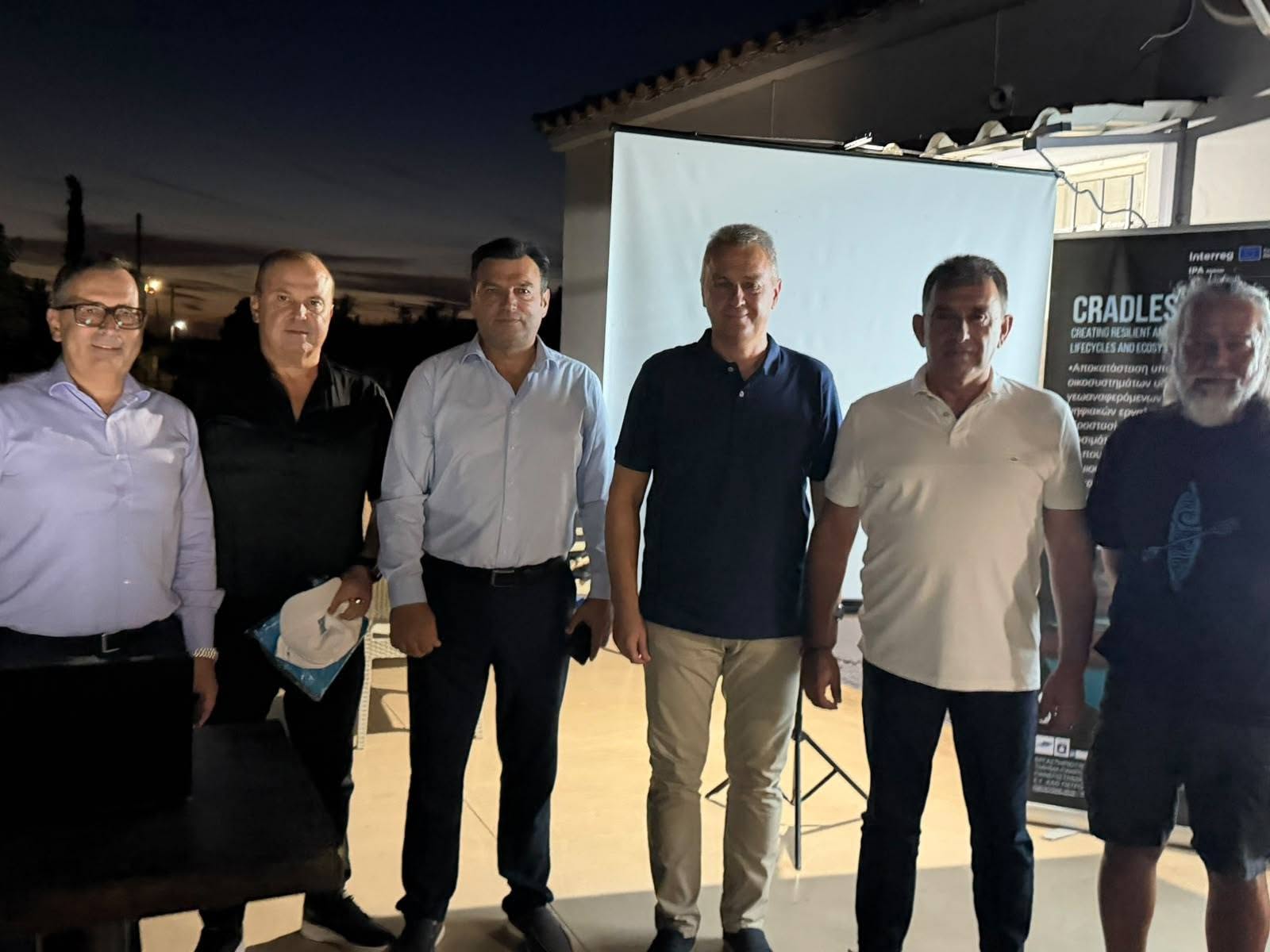
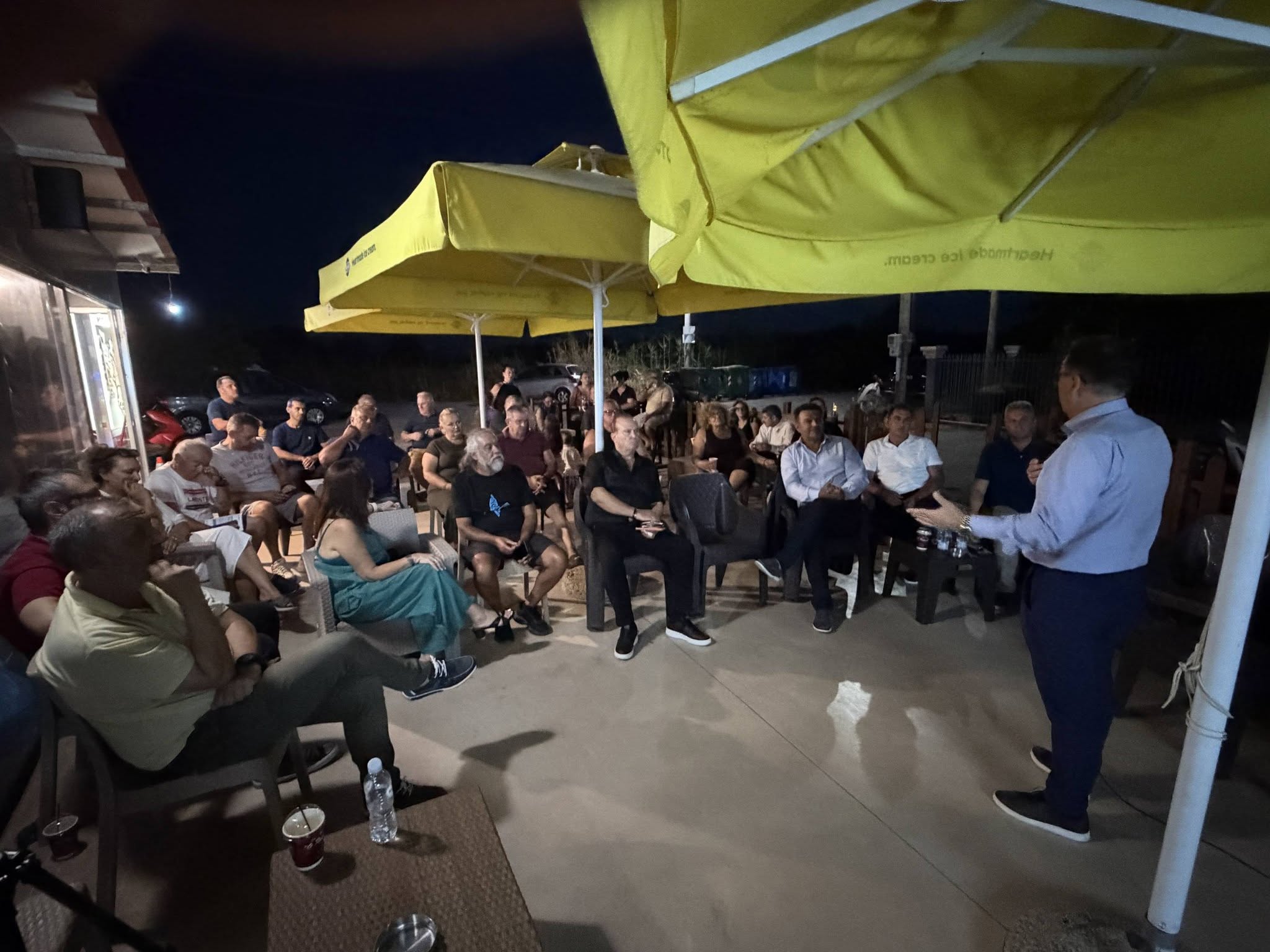
The event was attended by representatives of local government authorities and members of the project’s scientific team, who informed the public about the project’s progress and results, as well as the monitoring and restoration activities being implemented in the wetland areas of the Amvrakikos Gulf.
The project’s Scientific Coordinator, Professor Chrysostomos Stylios (Department of Informatics and Telecommunications, University of Ioannina), presented the project’s objectives, progress, and results achieved to date.
Greetings were delivered by Mr. Dimitris Evangelou, Deputy Mayor for Citizen Service Centres (KEP) and Planning of the Municipality of Artaion, and Mr. Apostolos Dimou, President of the Municipal Council of the Municipality of Nikolaos Skoufas. Mr. Lampros Karatzas, Deputy Mayor for Circular Economy, Environment, Waste Management, and Municipal Police of the Municipality of Artaion, also addressed the event. The event was also attended by Mr. Dimitris Tziomakis, Municipal Councillor of the Municipality of Artaion.
Participants had the opportunity to exchange views and proposals with the research team regarding actions for the protection and management of the region’s wetland ecosystems, strengthening cooperation between scientific institutions, local government authorities, and the local community.